Septic System Relocation in Denver, CO
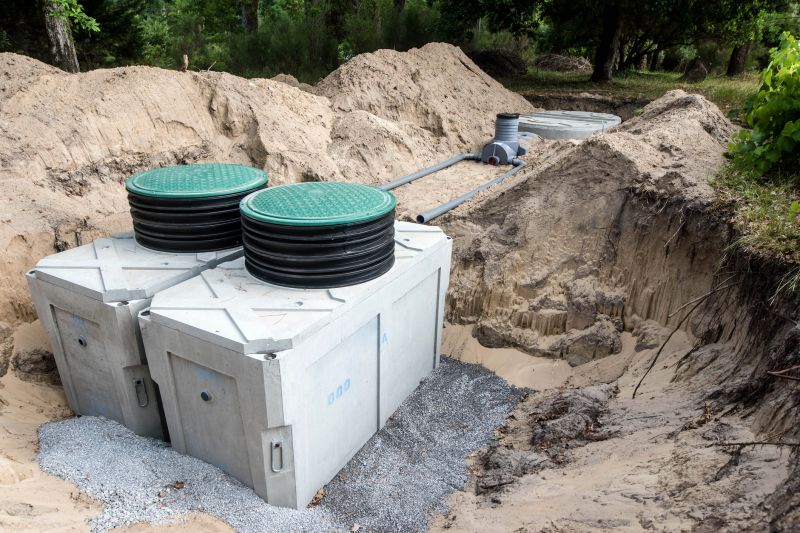
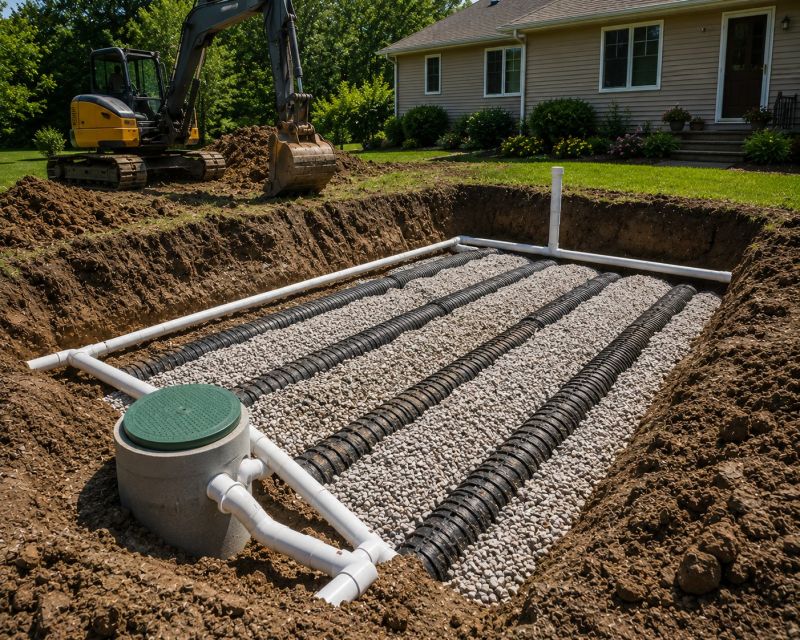
Septic system relocation services involve moving an existing septic tank and drain field to a new area on a property. This process is typically requested when homeowners plan to construct new structures, expand their property, or need to address issues with the current system's location. Projects can vary from relocating a septic tank away from a new driveway or building site to repositioning the drain field for better drainage or compliance with local regulations. Property owners should understand the scope of work involved, including site assessment, excavation, and proper disposal or reuse of existing components, to ensure the new installation functions correctly and meets local standards.
Before requesting septic system relocation, property owners often want to know about site suitability, including soil conditions and accessibility, as well as any necessary permits or inspections. It’s important to consider how the new location will impact future property use and maintenance. Clarifying these details early can help ensure the project aligns with property plans and regulatory requirements. Consulting with experienced professionals can provide guidance on the feasibility of moving a septic system and help plan for a smooth and compliant transition.
Many property owners in Denver, CO look into Septic System Relocation for repairs, replacements, upgrades, and appearance-related improvements.
Septic System Relocation Planning
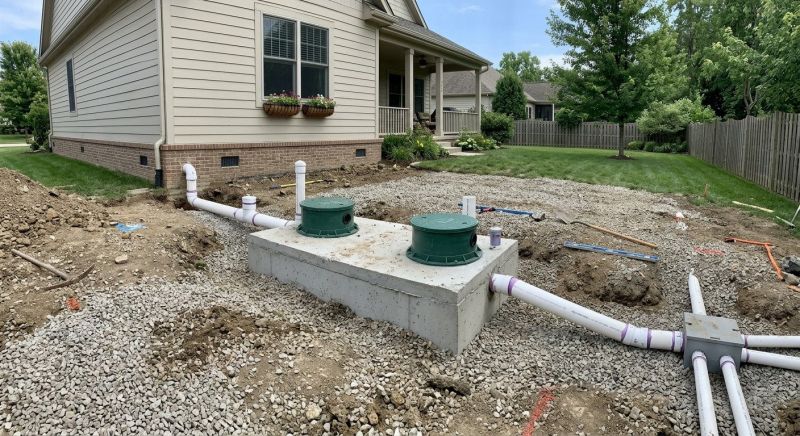
Proper planning ensures the new installation complies with local codes and fits the property layout.

Septic System Relocation Process
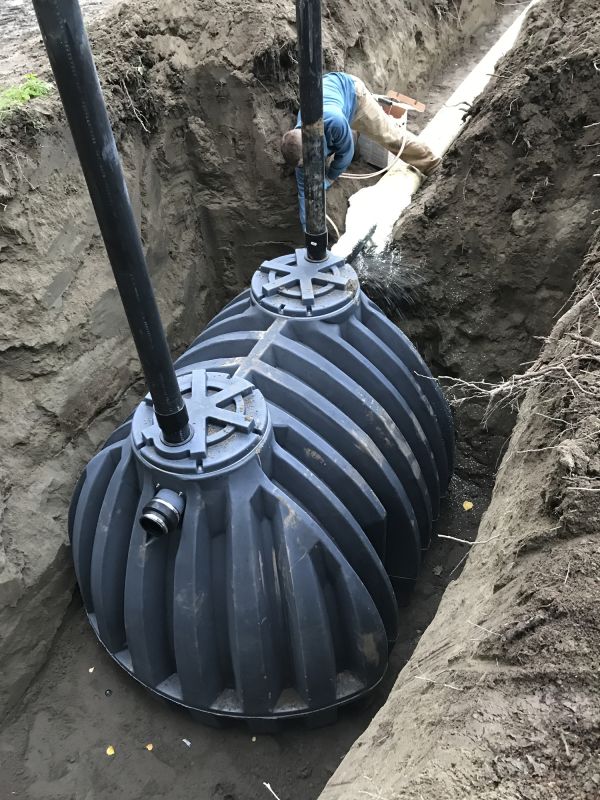
The process involves careful site assessment, excavation, and connection to existing systems for reliable operation.

Septic System Relocation Considerations
Factors like soil type, property size, and future access needs influence the best approach for relocation.
Septic System Relocation in Denver, CO

Septic system relocation services involve moving an existing septic tank and drain field to a new area on a property. This process is typically requested when homeowners plan to construct new structures, expand their property, or need to address issues with the current system's location. Projects can vary from relocating a septic tank away from a new driveway or building site to repositioning the drain field for better drainage or compliance with local regulations. Property owners should understand the scope of work involved, including site assessment, excavation, and proper disposal or reuse of existing components, to ensure the new installation functions correctly and meets local standards.
Before requesting septic system relocation, property owners often want to know about site suitability, including soil conditions and accessibility, as well as any necessary permits or inspections. It’s important to consider how the new location will impact future property use and maintenance. Clarifying these details early can help ensure the project aligns with property plans and regulatory requirements. Consulting with experienced professionals can provide guidance on the feasibility of moving a septic system and help plan for a smooth and compliant transition.
Many property owners in Denver, CO look into Septic System Relocation for repairs, replacements, upgrades, and appearance-related improvements.
Common Septic System Relocation Jobs
Septic System Relocation - involves moving an existing septic system to a new location on the property.
Property Expansion - supports building additions or new structures by relocating the septic system.
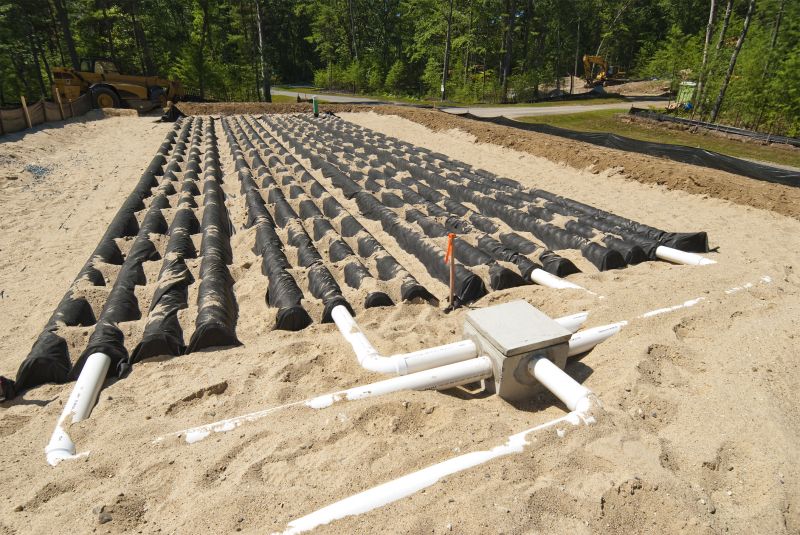
Drainfield Transfer - includes shifting the drainfield to improve system performance or address space issues.
Site Reconfiguration - adapts the septic system layout to accommodate landscape changes or property modifications.
System Upgrade - involves relocating to install newer, more efficient septic technology.
Environmental Compliance - ensures the septic system is properly positioned to meet local health and safety regulations.
Septic System Relocation Questions
What is involved in relocating a septic system? The process includes excavating the existing system, preparing a new site, and installing the components to ensure proper function and compliance.
When should a septic system be relocated? Relocation may be necessary due to property development, drainage issues, or if the current location interferes with construction or landscaping plans.
Are there permits required for septic system relocation? Yes, local permits are typically needed to ensure the installation meets code requirements and environmental standards.
What factors influence the complexity of a septic system move? Site accessibility, soil conditions, system size, and proximity to structures can impact the scope and complexity of the project.
Request Septic System Relocation in Denver, CO
Use the quote form on this page to share the basics of your project and request more information for the type of work you need.